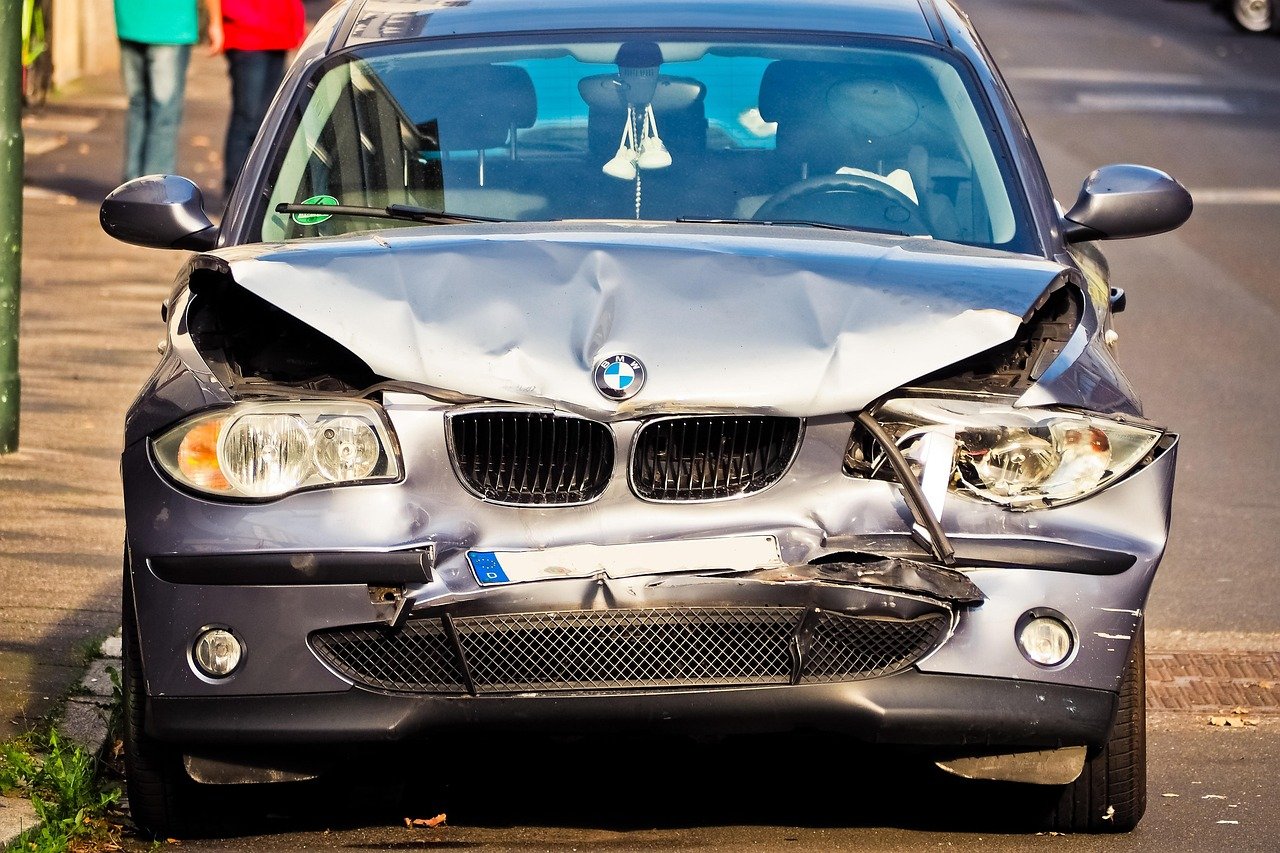
Understanding car & vehicle insurance in 2026 requires a forward-thinking approach, blending traditional coverage needs with the realities of evolving automotive technology and dynamic market conditions. This comprehensive guide will equip you with the knowledge to navigate the complexities of auto insurance, from deciphering policy types and influencing factors to leveraging emerging tech for better rates and managing the claims process efficiently. You’ll learn how to secure optimal protection for your vehicle and financial well-being, ensuring you make informed decisions in a rapidly changing landscape.
Key Takeaways for Modern Car & Vehicle Insurance:
- Coverage needs are evolving with ADAS, EVs, and shared mobility; traditional policies require modern endorsements.
- Personalized premiums are increasingly driven by telematics data, driving behavior, and vehicle safety features.
- Proactive risk management, including advanced safety systems and defensive driving, directly impacts affordability.
- Comparing policies annually remains crucial for balancing comprehensive protection with cost-effective rates.
Why is Car & Vehicle Insurance Essential in 2026?
Car & vehicle insurance remains a cornerstone of responsible vehicle ownership, offering vital financial protection against unforeseen incidents. In 2026, the necessity of robust coverage is amplified by several factors, including the rising cost of vehicle repairs, increasing medical expenses, and the proliferation of advanced driver-assistance systems (ADAS) that, while enhancing safety, can lead to more expensive repair bills when damaged. Beyond legal compliance, adequate insurance safeguards your assets and provides peace of mind.
Protecting Your Financial Future Against Accidents
An accident, even a minor one, can incur significant financial burdens. Without proper car & vehicle insurance, you could be personally liable for damages to other vehicles, property, and, most critically, medical expenses for injured parties. These costs can quickly escalate into hundreds of thousands of dollars, potentially leading to bankruptcy or severe long-term debt. Insurance acts as a critical buffer, absorbing these liabilities on your behalf.
Meeting Legal Requirements for Vehicle Operation
In almost every jurisdiction, carrying a minimum level of car & vehicle insurance is a legal mandate to operate a motor vehicle. These laws are designed to ensure that victims of accidents receive compensation for their losses, regardless of who is at fault. Failure to comply can result in hefty fines, license suspension, vehicle impoundment, or even jail time, making compliance a non-negotiable aspect of driving.
Navigating the Evolving Landscape of Automotive Technology
The vehicles of 2026 are more sophisticated than ever, featuring complex ADAS, electric powertrains, and integrated connectivity. While these advancements improve safety and efficiency, they also introduce new considerations for insurance. Repairing a sensor-laden bumper or replacing an EV battery pack requires specialized knowledge and components, directly impacting claim severity and, consequently, premium structures. Insurance providers are continually adapting their offerings to account for these technological shifts.
What Types of Car & Vehicle Insurance Coverage Do You Need?
Understanding the various types of car & vehicle insurance coverage is fundamental to building a policy that truly protects you. While minimum legal requirements exist, they often fall short of providing comprehensive financial security. A well-rounded policy typically combines several coverage types, each addressing specific risks and potential liabilities.
Liability Coverage: Protecting Others
Liability coverage is the most fundamental component of car & vehicle insurance and is legally required in most places. It consists of two main parts: bodily injury liability and property damage liability. Bodily injury liability pays for medical expenses, lost wages, and pain and suffering for others injured in an accident where you are at fault. Property damage liability covers repairs or replacement of other people’s property, such as vehicles, fences, or buildings, damaged in an accident you cause.
Collision Coverage: Repairing Your Vehicle
Collision coverage pays for damages to your own vehicle resulting from an accident, regardless of who is at fault. This includes hitting another vehicle, an object like a tree or pole, or even rolling over. It’s an optional coverage but highly recommended, especially for newer or financed vehicles, as it protects your investment. Your deductible applies to collision claims.
Comprehensive Coverage: Beyond Collisions
Comprehensive coverage protects your vehicle from non-collision-related incidents. This includes damage from theft, vandalism, fire, natural disasters (like floods or hail), falling objects, or striking an animal. Like collision coverage, it is optional but crucial for protecting your vehicle’s value, particularly if it’s new or high-value. A deductible typically applies to comprehensive claims as well.
Uninsured/Underinsured Motorist Coverage: Bridging Gaps
Despite legal requirements, many drivers operate without sufficient insurance, or sometimes, no insurance at all. Uninsured/Underinsured Motorist (UM/UIM) coverage protects you and your passengers if you’re involved in an accident with a driver who lacks adequate insurance to cover your damages. UM/UIM can cover medical expenses, lost wages, and, in some cases, vehicle damage, filling a critical gap in protection.
Personal Injury Protection (PIP) & Medical Payments (MedPay): Your Medical Costs
Personal Injury Protection (PIP), often found in “no-fault” states, covers medical expenses, lost wages, and other related costs for you and your passengers, regardless of who caused the accident. Medical Payments (MedPay) is similar but typically only covers medical expenses. These coverages are vital for ensuring immediate access to medical care and financial support after an injury, reducing reliance on health insurance for accident-related care.
Additional Coverage Options for 2026 Vehicles
Modern vehicles often benefit from specialized endorsements. This includes gap insurance, which covers the difference between your vehicle’s actual cash value and the amount you still owe on a loan if it’s totaled. Roadside assistance, rental car reimbursement, and custom parts and equipment coverage are also increasingly popular. For electric vehicles, specific coverages for battery damage or charging equipment might be available, reflecting the unique aspects of EV ownership.
How Do Insurance Premiums Work and What Factors Influence Them?
Car & vehicle insurance premiums are the price you pay for coverage, calculated based on a complex algorithm of risk assessment. Insurers evaluate numerous factors to determine the likelihood of you filing a claim and the potential cost of that claim. Understanding these variables empowers you to identify opportunities for savings and make choices that positively impact your rates.
Driving Record and Experience: Your History Matters
Your driving history is a primary determinant of your premium. A clean record, free of accidents, speeding tickets, or other moving violations, indicates lower risk and typically results in lower rates. Conversely, a history of infractions or at-fault accidents signals higher risk to insurers, leading to increased premiums. New drivers or those with less experience often face higher initial rates due to their limited driving history.
Vehicle Type and Safety Features: The Car You Drive
The make, model, year, and safety features of your vehicle significantly influence your premium. Sports cars, luxury vehicles, and models with high theft rates often command higher insurance costs due to their repair expense or theft risk. Vehicles equipped with advanced safety features, such as automatic emergency braking, lane-keeping assist, and blind-spot monitoring, can qualify for discounts, as these systems demonstrably reduce the likelihood and severity of accidents. The Insurance Institute for Highway Safety (IIHS) provides comprehensive ratings on these systems, which insurers often reference in their risk assessments.
Location of Residence: Where You Live
Geographic location plays a substantial role in premium calculation. Areas with higher population density, increased traffic congestion, elevated rates of theft or vandalism, or a greater frequency of natural disasters (e.g., hail, floods) typically incur higher insurance costs. Urban areas generally have higher rates than rural ones due to increased accident potential and crime rates.
Credit-Based Insurance Scores: A Financial Indicator
In many states, insurers use credit-based insurance scores as a predictive tool for claim likelihood. While distinct from credit scores used for loans, these scores analyze aspects of your financial history to assess your financial responsibility. Generally, individuals with higher credit-based insurance scores tend to file fewer claims, potentially leading to lower premiums. However, some states prohibit or limit the use of these scores.
Deductibles and Coverage Limits: Your Policy Choices
The deductibles you choose (the amount you pay out-of-pocket before your insurance covers the rest) directly impact your premium. Higher deductibles typically result in lower premiums because you assume more financial risk in the event of a claim. Conversely, lower deductibles mean higher premiums. Similarly, higher coverage limits (the maximum amount your insurer will pay) provide greater protection but also increase your premium.
Age and Marital Status: Demographic Considerations
Age is a significant factor, with younger, less experienced drivers (especially teenagers) facing the highest premiums due to their statistically higher accident rates. Rates generally decrease as drivers gain experience and mature, stabilizing in middle age before potentially increasing again for very senior drivers. Marital status can also play a role, with married individuals often receiving slightly lower rates, as they are statistically less likely to be involved in accidents.
What Strategies Can Lower Your Car & Vehicle Insurance Costs?
While many factors influencing car & vehicle insurance premiums are beyond your immediate control, numerous proactive strategies can help you secure more affordable rates without compromising essential coverage. A combination of smart shopping, responsible driving, and leveraging available discounts can lead to significant savings.
Maintain a Clean Driving Record
The most impactful strategy for long-term savings is consistently maintaining a clean driving record. Avoiding accidents, traffic violations, and speeding tickets demonstrates responsible driving behavior, which insurers reward with lower premiums. Many insurers offer “good driver” or “accident-free” discounts for policyholders who maintain a clean record for a specified number of years, often three to five.
Utilize Telematics and Usage-Based Insurance Programs
Telematics, or usage-based insurance (UBI), programs are increasingly popular in 2026. These programs involve installing a device in your vehicle or using a smartphone app to monitor your driving habits, such as speed, braking, acceleration, and mileage. Safe drivers who opt into these programs can earn substantial discounts based on their actual driving behavior, offering a personalized approach to premium calculation.
Bundle Your Insurance Policies
Many insurance providers offer multi-policy discounts when you bundle different types of insurance, such as car & vehicle insurance with home, renters, or life insurance. This strategy not only simplifies your insurance management but can also lead to significant savings across all your policies. Inquire about bundling options when obtaining quotes.
Increase Your Deductibles (Responsibly)
As mentioned, choosing a higher deductible for collision and comprehensive coverage can lower your premium. However, it’s crucial to select a deductible amount that you can comfortably afford to pay out-of-pocket in the event of a claim. A higher deductible can save you money annually, but only if you have the emergency funds available to cover it when needed.
Shop Around and Compare Quotes Annually
Insurance rates are not static and can vary significantly between providers for the same coverage. It is highly recommended to shop around and obtain quotes from multiple insurance companies at least once a year, or whenever you experience a major life event (e.g., buying a new car, moving, getting married). Online comparison tools and independent agents can streamline this process, ensuring you find the most competitive rates.
Inquire About All Available Discounts
Insurance companies offer a wide array of discounts that policyholders often overlook. These can include discounts for good students, military personnel, low annual mileage, anti-theft devices, completing defensive driving courses, paying premiums in full, or being a loyal customer. Always ask your agent or review the insurer’s website for a comprehensive list of available discounts.
How Do Emerging Technologies Impact Car & Vehicle Insurance?
The automotive industry is undergoing a rapid transformation driven by technological advancements, and car & vehicle insurance is adapting in parallel. From the proliferation of ADAS to the rise of electric vehicles and the increasing sophistication of data analytics, technology is reshaping how policies are priced, claims are processed, and risks are managed.
Advanced Driver-Assistance Systems (ADAS) and Safety Discounts
ADAS features such as adaptive cruise control, lane-keeping assist, automatic emergency braking, and blind-spot monitoring are becoming standard in many new vehicles. These systems are proven to reduce the frequency and severity of accidents. Insurers recognize this reduced risk and often offer discounts for vehicles equipped with specific ADAS technologies. However, repairing these sophisticated sensors and cameras after an accident can be more expensive, potentially offsetting some premium reductions.
Electric Vehicles (EVs) and Unique Insurance Considerations
The growing adoption of electric vehicles introduces unique factors for car & vehicle insurance. EVs often have higher purchase prices, and their battery packs are expensive to repair or replace, leading to potentially higher comprehensive and collision premiums. However, EVs may also qualify for lower premiums due to their typically lower accident rates (often attributed to instant torque and advanced safety features) and reduced maintenance costs. Insurers are developing specialized EV policies that address these distinct characteristics, including coverage for charging equipment and battery degradation.
Telematics and Personalized Risk Assessment
Telematics technology has evolved beyond simple mileage tracking. Modern telematics systems, often integrated into vehicle infotainment or smartphone apps, collect granular data on driving behavior. This includes real-time speed, hard braking, rapid acceleration, cornering, and even time of day driving. This data allows insurers to create highly personalized risk profiles, moving away from broad demographic assumptions. Responsible drivers can leverage telematics for significant premium reductions, while high-risk behavior may lead to increased costs.
Artificial Intelligence (AI) in Claims Processing and Fraud Detection
Artificial Intelligence is revolutionizing the insurance claims process. AI-powered algorithms can analyze accident data, photos, and even video footage to expedite damage assessment and claims payout. This leads to faster resolution times for policyholders and increased efficiency for insurers. Furthermore, AI is highly effective in identifying patterns indicative of fraudulent claims, helping to reduce overall costs for insurers, which can indirectly benefit all policyholders through more stable rates.
Navigating the Claims Process: What to Expect After an Accident?
Experiencing a car accident can be stressful, but understanding the car & vehicle insurance claims process can significantly ease the burden. Knowing the steps to take immediately after an incident and how to interact with your insurer ensures a smoother and more efficient resolution, allowing you to focus on recovery and repairs.
Immediate Steps After an Accident
Prioritize safety: move your vehicle to a safe location if possible, turn on hazard lights, and check for injuries. Call emergency services (police and ambulance) if anyone is injured, if there is significant property damage, or if required by law. Exchange information with all parties involved, including names, contact details, insurance information, and vehicle details. Document the scene thoroughly with photos and videos, capturing vehicle damage, road conditions, and any relevant surroundings. Do not admit fault at the scene.
Filing Your Insurance Claim
Contact your car & vehicle insurance provider as soon as possible after the accident, ideally within 24-48 hours. Many insurers offer mobile apps or online portals for quick claim submission. Provide them with all the details you collected, including police report numbers if applicable. Your insurer will assign a claims adjuster to your case. Be honest and thorough in your communication, providing accurate information about the incident.
Working with the Claims Adjuster
The claims adjuster is responsible for investigating the accident, assessing damages, and determining liability. They may inspect your vehicle, review police reports, interview witnesses, and gather medical records. Cooperate fully with the adjuster, providing any requested documentation promptly. Be prepared to discuss the details of the accident and the extent of your damages. It’s important to understand their role is to represent the insurance company, so clearly articulate your needs and provide supporting evidence.
Vehicle Repairs and Settlement
Once the damage is assessed, your insurer will typically provide options for vehicle repair. This may involve recommending preferred repair shops or allowing you to choose your own. For total losses (when repair costs exceed the vehicle’s actual cash value), the insurer will offer a settlement amount based on the vehicle’s pre-accident value. Review all settlement offers carefully and ensure they are fair and cover your losses. Do not sign any release forms until you are satisfied with the terms.
Understanding Policy Terms and Fine Print: What Should You Look For?
A car & vehicle insurance policy is a legal contract, and thoroughly understanding its terms and conditions is paramount. The “fine print” contains crucial details about what is covered, what isn’t, and under what circumstances. Neglecting to review these specifics can lead to unwelcome surprises when you need your insurance the most.
Decoding Your Declarations Page
The declarations page is the summary of your policy, typically found at the beginning. It lists your name, policy number, effective dates, covered vehicles, coverage types, limits, deductibles, and the premium amount. This page provides a high-level overview of your protection. Always review it for accuracy and ensure all your vehicles and drivers are correctly listed.
Understanding Coverage Limits and Deductibles
Coverage limits represent the maximum amount your insurance company will pay for a covered loss. For liability, these are often expressed as a split limit (e.g., 25/50/25, meaning $25,000 per person for bodily injury, $50,000 per accident for bodily injury, and $25,000 for property damage) or a single limit. Deductibles are your out-of-pocket contribution before coverage begins. Ensure these limits align with your assets and risk tolerance.
Exclusions and Endorsements: What’s Not Covered and What Can Be Added
Every car & vehicle insurance policy contains exclusions, which are specific situations or types of damage that are not covered. Common exclusions include intentional acts, damage from racing, or using your personal vehicle for commercial purposes without proper commercial coverage. Endorsements, also known as riders, are additions to your policy that modify or add coverage for specific circumstances. For example, a rideshare endorsement would cover you when driving for a service like Uber or Lyft, bridging the gap between your personal policy and the company’s insurance.
The Importance of Regular Policy Review and Renewal
Your car & vehicle insurance needs are not static. Life changes, such as purchasing a new vehicle, moving, getting married, adding a teenage driver, or even changing your daily commute, can impact your coverage requirements and premium. It’s essential to review your policy at least annually or whenever a significant life event occurs. During renewal, assess whether your current coverage still meets your needs and if there are more competitive rates available from other providers. Proactively managing your policy ensures continuous, appropriate protection.
Securing the right car & vehicle insurance in 2026 is an ongoing process that demands attention to detail and a willingness to adapt to new automotive realities. By understanding your coverage options, the factors influencing your premiums, and leveraging technological advancements, you can make informed decisions that protect your vehicle, your finances, and your peace of mind. Continuously evaluate your policy against your evolving needs and compare offerings from various providers to ensure you maintain optimal protection at the most competitive price.