Navigating the complexities of car & vehicle insurance can feel overwhelming, but understanding its core principles and future trends is crucial for every driver. This comprehensive guide for 2026 will equip you with the knowledge to make informed decisions, optimize your coverage, and potentially reduce your premiums. We’ll delve into the factors influencing your rates, break down essential policy types, explore strategies for maximizing savings, and look ahead at emerging technologies and regulatory shifts shaping the insurance landscape. By the end, you’ll have a clear roadmap for securing the best protection for your vehicle and peace of mind on the road.
Key Takeaways for Smart Car Insurance
- **Personalized Premiums:** Your rates in 2026 are heavily influenced by granular data, including driving behavior, vehicle technology, and individual risk profiles.
- **Optimize Coverage:** Understand the difference between liability, comprehensive, and collision to tailor a policy that meets your specific needs without overpaying.
- **Leverage Technology:** Utilize telematics and inquire about discounts for advanced driver-assistance systems (ADAS) to potentially lower your premiums.
- **Proactive Engagement:** Regularly review your policy, compare quotes, and communicate with your insurer to ensure your coverage remains optimal and cost-effective.
What Core Factors Influence Your Car Insurance Premiums in 2026?
In 2026, car & vehicle insurance premiums are determined by a sophisticated interplay of personal data, vehicle characteristics, and external market forces. Insurers leverage advanced algorithms and vast datasets to assess risk with unprecedented precision. Understanding these key determinants empowers policyholders to identify areas for potential savings and make more informed decisions.
Driver Profile and Demographics
Your personal attributes remain foundational to premium calculation. Age, driving experience, and gender (where legally permitted) are primary considerations. Younger, less experienced drivers typically face higher rates due to actuarial data indicating a greater propensity for accidents. Conversely, mature drivers with clean records often benefit from lower premiums. Marital status can also play a role, with married individuals sometimes receiving slightly better rates.
Your driving record is paramount. A history of traffic violations, such as speeding tickets, DUIs, or at-fault accidents, significantly elevates your risk profile and, consequently, your premiums. Insurers often look back several years (typically 3-5) when evaluating your record. Conversely, a clean driving history is one of the most effective ways to secure lower rates.
Credit-based insurance scores are utilized in many jurisdictions (though not all) to predict the likelihood of future claims. While not directly tied to driving ability, studies suggest a correlation between financial responsibility and claims history. Maintaining a healthy credit score can therefore indirectly contribute to more favorable insurance rates.
Vehicle Specifications and Technology
The type of vehicle you drive profoundly impacts your insurance costs. Factors such as the make, model, year, body type, engine size, and safety features are all weighed. High-performance or luxury vehicles often command higher premiums due to their increased repair costs and greater likelihood of theft.
The cost of repairs is a significant factor. Vehicles with expensive parts, specialized materials (like carbon fiber), or complex electronic systems (common in modern cars) will incur higher repair costs after an accident, leading to higher collision and comprehensive premiums. The availability of parts can also influence costs, with rare or imported components driving up expenses.
Advanced Driver-Assistance Systems (ADAS) are increasingly influencing premiums. Features like automatic emergency braking, lane-keeping assist, blind-spot monitoring, and adaptive cruise control can reduce the likelihood and severity of accidents. Insurers are beginning to offer discounts for vehicles equipped with these technologies, though the cost of repairing or recalibrating these sophisticated systems after even a minor fender bender can sometimes offset initial savings.
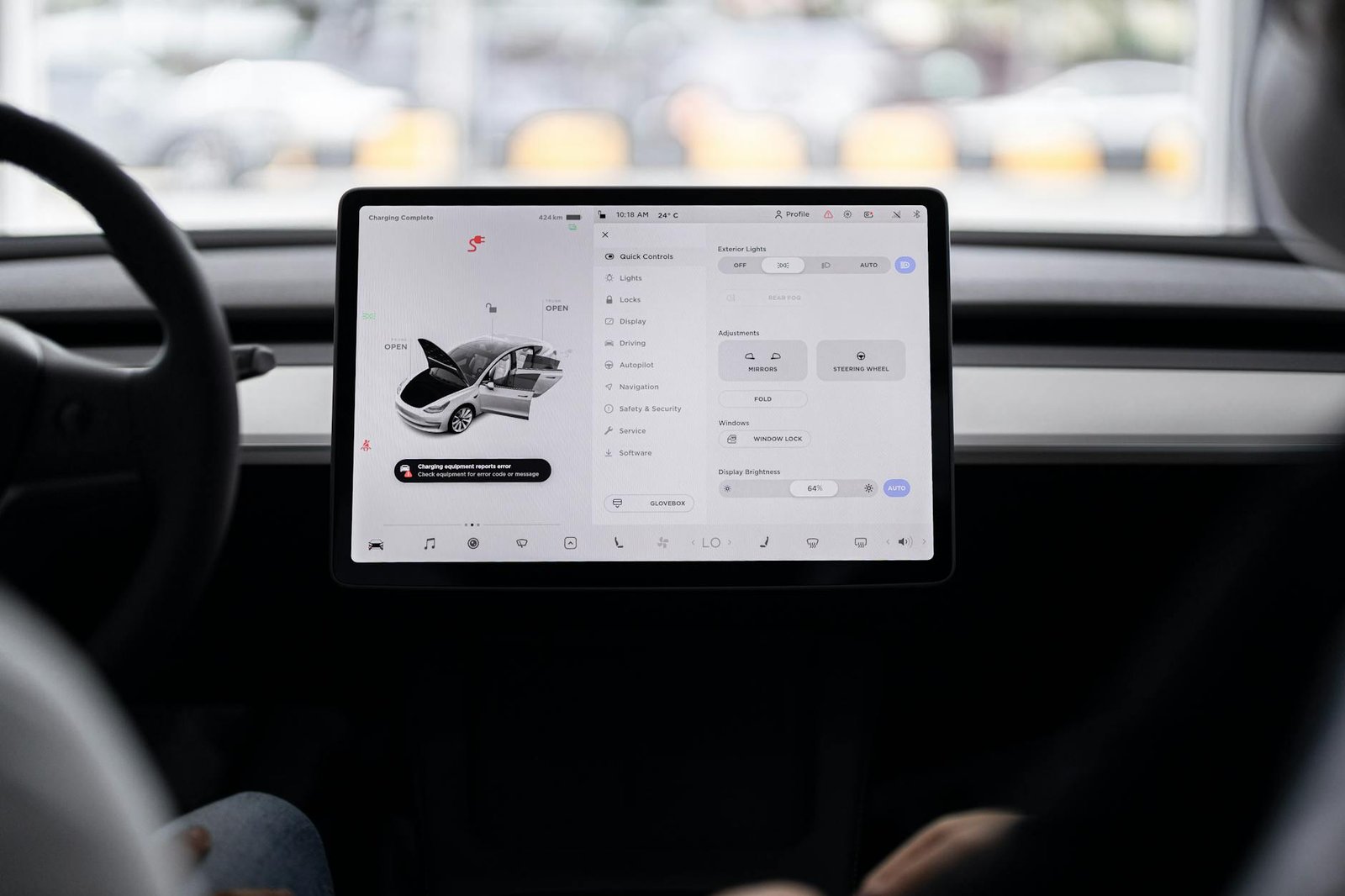
The rise of Electric Vehicles (EVs) also brings unique insurance considerations. While EVs often have fewer moving parts, their battery packs are expensive to replace or repair, and specialized technicians are required. This can lead to different premium structures compared to traditional internal combustion engine (ICE) vehicles. Insurers are actively developing models to accurately assess EV-specific risks.
Geographic Location and Usage
Where you live and where your vehicle is primarily garaged significantly affects your insurance rates. Urban areas with higher traffic density, greater rates of theft, and increased vandalism often have higher premiums than rural areas. Specific zip codes within the same city can even show considerable variation based on local crime statistics and accident rates.
The amount you drive annually, or your annual mileage, is another critical factor. More time on the road inherently increases your exposure to risk. Low-mileage drivers may qualify for discounts, especially if their insurer offers usage-based insurance (UBI) programs that track actual driving habits.
How and when you use your vehicle also matters. Commuting to work daily during peak hours presents a different risk profile than using your car only for occasional errands. Vehicles used for business purposes (e.g., ride-sharing, deliveries) typically require specialized commercial insurance policies, which are generally more expensive due to the increased risk exposure.
Usage-Based Insurance (UBI) and Telematics
Telematics technology, often delivered through smartphone apps or plug-in devices, has become a mainstream tool for personalized insurance pricing. UBI programs track real-time driving behavior, including speed, braking habits, acceleration, mileage, and even the time of day you drive. Safe drivers can earn significant discounts, sometimes up to 30% or more, by demonstrating responsible habits.
The data collected by telematics allows insurers to move beyond traditional demographic risk assessment to a more dynamic, behavior-driven model. This ‘pay-as-you-drive’ or ‘pay-how-you-drive’ approach is gaining traction as consumers become more comfortable sharing data in exchange for potential savings. However, privacy concerns remain a consideration for some policyholders.
Understanding the Essential Types of Car & Vehicle Insurance Coverage
A fundamental understanding of different car insurance coverage types is essential for building a policy that adequately protects you without unnecessary expense. Each component addresses specific risks and financial liabilities. Choosing the right mix is key to comprehensive protection.
Liability Coverage: The Foundation
Liability insurance is the cornerstone of any car insurance policy and is legally mandated in most jurisdictions. It protects you financially if you are at fault in an accident, covering damages and injuries to other parties. It does not cover your own vehicle or medical expenses.
Bodily Injury Liability (BIL)
This covers medical expenses, lost wages, and pain and suffering for individuals injured in an accident where you are deemed at fault. It is typically expressed as two numbers, such as $25,000/$50,000, meaning $25,000 per person injured and $50,000 total per accident.
Property Damage Liability (PDL)
This covers the cost of repairing or replacing another person’s property (e.g., their vehicle, fence, building) that you damage in an at-fault accident. It is usually expressed as a single number, like $25,000, meaning up to $25,000 per accident.
Collision Coverage: Protecting Your Vehicle
Collision coverage pays for damages to your own vehicle resulting from an accident, regardless of who is at fault. This includes hitting another car, a tree, a pole, or rolling over. It’s an optional coverage but highly recommended for newer or valuable vehicles. It typically comes with a deductible, which is the amount you pay out-of-pocket before your insurance kicks in.
Comprehensive Coverage: Beyond Collisions
Comprehensive coverage protects your vehicle from non-collision-related incidents. This includes theft, vandalism, fire, natural disasters (like hail or floods), falling objects, and damage from striking an animal. Like collision, it’s optional and also typically has a deductible. For older vehicles, the cost of comprehensive coverage might eventually outweigh the vehicle’s actual cash value (ACV).
Uninsured/Underinsured Motorist (UM/UIM) Coverage
Despite legal requirements, many drivers operate without sufficient insurance. UM/UIM coverage protects you if you’re involved in an accident with a driver who has no insurance (uninsured) or not enough insurance to cover your damages (underinsured). This can cover your medical bills, lost wages, and, in some cases, damage to your vehicle. The specifics vary by state and policy.
Medical Payments (MedPay) and Personal Injury Protection (PIP)
These cover medical expenses for you and your passengers, regardless of who is at fault in an accident. PIP, mandatory in