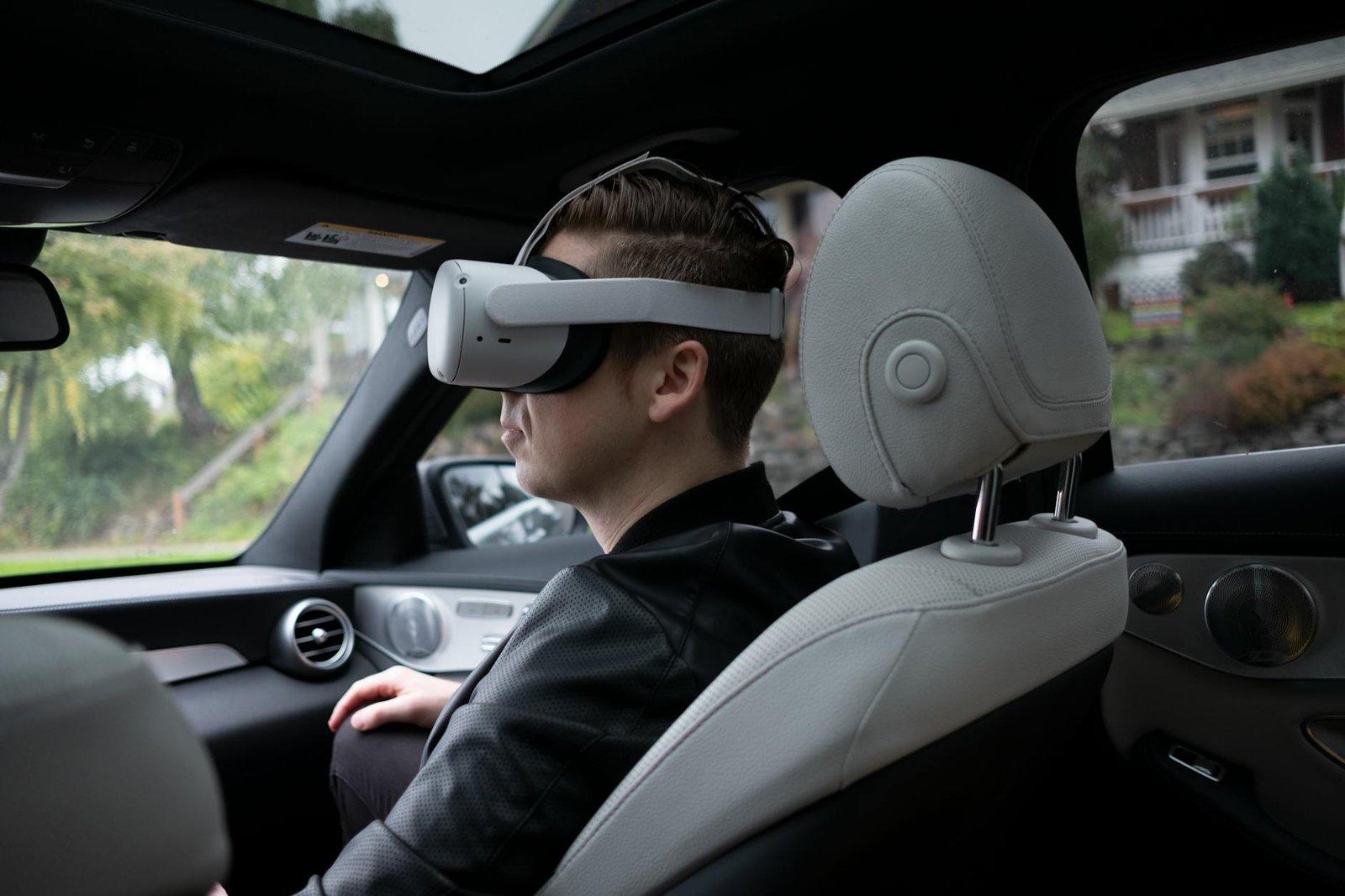
Understanding car and vehicle insurance in 2026 is crucial for every driver, whether you’re navigating urban streets, suburban commutes, or long-distance journeys. This comprehensive guide will equip you with the knowledge to make informed decisions about your auto insurance, ensuring you have the right coverage for your lifestyle while maximizing potential savings. We’ll delve into how modern factors like vehicle technology, data-driven pricing, and evolving regulations shape your premiums and policy options. By the end of this article, you will understand the various coverage types, learn strategies to reduce your costs, and know what to expect during the claims process, all tailored to the contemporary landscape of vehicle ownership.
Key Takeaways for 2026 Car Insurance:
- **Personalization is Paramount:** Leverage Usage-Based Insurance (UBI) and data-driven insights for tailored premiums that reflect your actual driving habits.
- **Technology Impacts Everything:** Understand how Advanced Driver-Assistance Systems (ADAS), electric vehicles (EVs), and future autonomous features influence coverage and costs.
- **Proactive Savings:** Actively seek out multi-policy discounts, vehicle safety feature rebates, and re-evaluate deductibles annually to keep premiums in check.
- **Review and Adapt:** Regularly assess your policy as life changes (new vehicle, moving, marriage) to ensure your coverage remains optimal and cost-effective.
What Drives Your Car Insurance Premiums in 2026?
In 2026, car insurance premiums are more dynamic than ever, influenced by a complex interplay of personal data, vehicle technology, and macro-economic factors. Insurers leverage advanced analytics to assess risk, meaning your premium is a highly personalized calculation based on numerous variables. Understanding these drivers empowers you to influence your rates positively.
Factors Influencing Your Rate
Several foundational elements continue to shape your car insurance costs. Your individual driver profile is a primary determinant. This includes your age, years of driving experience, and, critically, your driving record, which reflects any past accidents or traffic violations. A clean driving history is consistently rewarded with lower premiums.
The type of vehicle you insure also plays a significant role. Insurers consider the make, model, year, and trim level, assessing its safety ratings, potential repair costs, and susceptibility to theft. High-performance or luxury vehicles typically incur higher premiums due to greater repair expenses and increased risk of theft. Conversely, vehicles with advanced safety features, such as automatic emergency braking or lane-keeping assist, may qualify for discounts.
Your geographic location is another key factor. Premiums can vary significantly even between zip codes within the same city. Insurers analyze local accident rates, vehicle theft statistics, vandalism frequency, and population density to determine regional risk. Moving to an area with lower incident rates could potentially reduce your premium.
Where permitted by state law, credit-based insurance scores remain a factor. These scores correlate with insurance claim likelihood, with higher scores often leading to lower premiums. Maintaining a healthy credit history can therefore indirectly benefit your insurance costs.
Finally, the growing prevalence of Usage-Based Insurance (UBI) and telematics data is revolutionizing premium calculation. Devices or smartphone apps track actual driving behavior—such as mileage, speed, braking habits, and time of day driven—to offer highly personalized rates. Safe drivers who opt into UBI programs can often unlock substantial savings.
The Impact of Emerging Technologies
The rapid evolution of automotive technology is profoundly reshaping the insurance landscape. Advanced Driver-Assistance Systems (ADAS), including features like adaptive cruise control, blind-spot monitoring, and parking assistance, are becoming standard. While these systems aim to reduce accidents, their sophisticated sensors and components can be costly to repair or recalibrate after even minor collisions, potentially offsetting some premium reductions.
Electric Vehicles (EVs) and hybrid vehicles present unique insurance considerations. While they often have lower maintenance costs due to fewer moving parts, their battery packs are expensive to replace if damaged. Charging infrastructure damage and specialized repair techniques for high-voltage systems can also influence premiums. Insurers are developing specific policies and pricing models to address the distinct risks and benefits of EV ownership.
Looking ahead, the progression towards Autonomous Vehicles (AVs) is poised to fundamentally alter liability structures. As vehicles become more self-driving, liability for accidents may shift from the driver to the vehicle manufacturer or software provider. While fully autonomous vehicles are not yet mainstream for personal ownership in 2026, insurers are already modeling the potential impact on future premiums, policy design, and claims processing for different levels of automation.
Navigating the Essential Car Insurance Coverage Types
Choosing the right car insurance policy requires a clear understanding of the various coverage types available. While some are mandated by law, others offer crucial financial protection against unexpected events. A well-structured policy balances legal requirements with your personal risk tolerance and financial capacity.
Understanding Mandatory Coverages
Virtually every state requires drivers to carry a minimum amount of **Liability Insurance**. This coverage protects you financially if you are found at fault for an accident. It typically has two components: **Bodily Injury Liability** covers medical expenses, lost wages, and pain and suffering for others injured in an accident you cause. **Property Damage Liability** pays for damages to another person’s vehicle or property, such as a fence or building, resulting from an accident where you are at fault.
While state minimums provide a baseline, they are often insufficient to cover serious accidents. Many financial advisors recommend carrying significantly higher liability limits to protect your assets. An accident resulting in severe injuries or extensive property damage can quickly exceed minimum limits, leaving you personally responsible for the remainder.
**Uninsured/Underinsured Motorist (UM/UIM) Coverage** is mandatory in some states and highly recommended in all others. This coverage protects you and your passengers if you are hit by a driver who has no insurance (uninsured) or insufficient insurance (underinsured) to cover your damages. UM/UIM can cover medical bills, lost wages, and, in some cases, property damage, preventing you from bearing the financial burden of another driver’s negligence.
**Personal Injury Protection (PIP)** or **Medical Payments (MedPay)** coverage is required in